
OpenClaw and Hermes AI Agent are both open-source AI agents, but they are not built around the same priority. Hermes is the better fit if you want an agent that lives on your server, remembers what it learns, and gets better at repeated work. OpenClaw is the better fit if you want broad channel coverage, a larger skill ecosystem, and a more platform-like setup.
In short, choose OpenClaw for breadth, choose Hermes for memory and repeated work.
| Question | Hermes Agent | OpenClaw Agent |
|---|---|---|
| Core idea | Server-based agent that learns over time | Self-hosted agent platform with broad integrations |
| Best for | Repeated workflows, memory, private setup | More channels, more skills, broad automation |
| Channels | Telegram, Discord, Slack, WhatsApp, Signal, WeChat, email, CLI | 50+ channels, including WhatsApp, Discord, Telegram, Slack, Teams, iMessage |
| Skills / tools | Automated skill creation, browser/file/terminal work, subagents | 5,700+ skills, tools, sandboxed execution |
| Setup | CLI install, then gateway setup if you need multi-channel access | Script, npm, or Docker install plus onboarding wizard |
| Security | No tracking, container hardening, local data | Isolated sandboxes, permissions, self-hosted control |
| Choose this if | You want an agent to remember and improve | You want broad coverage and a bigger ecosystem |
What is Hermes AI Agent
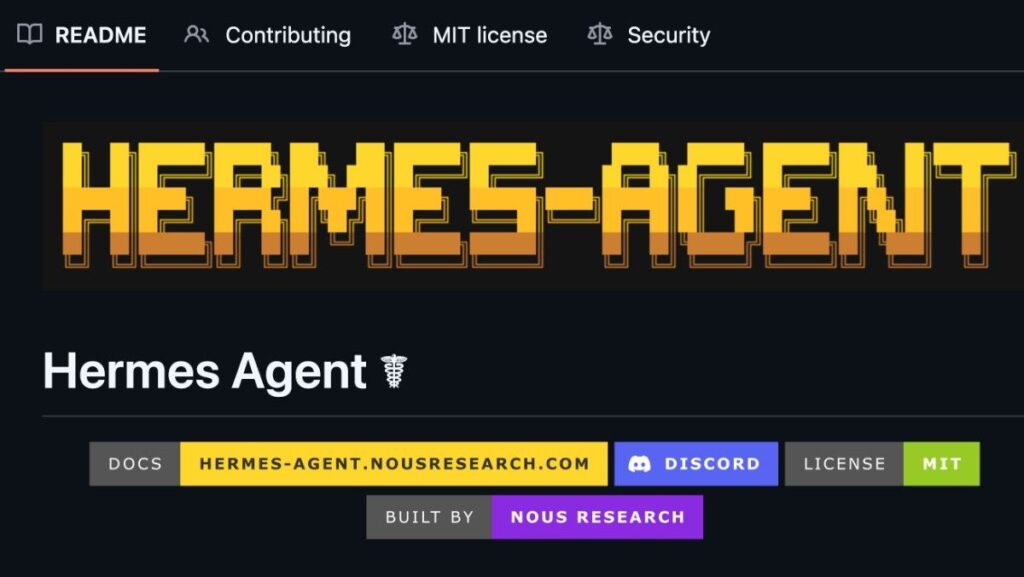
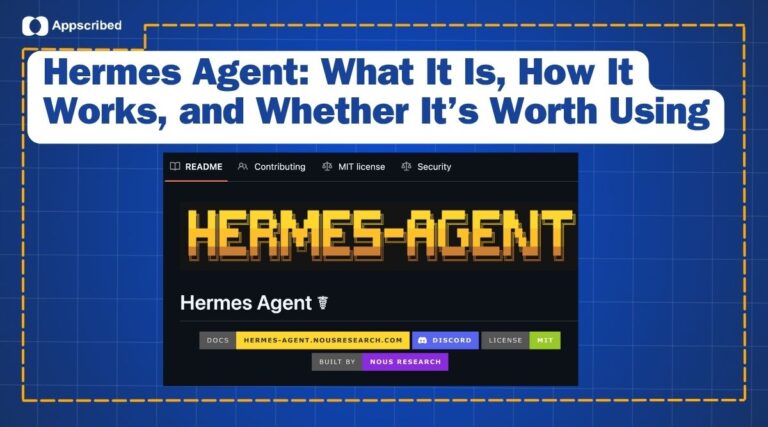
Hermes Agent is a self-hosted AI agent from Nous Research. The official docs position it as a server-based agent that keeps persistent memory, creates reusable skills from solved work, and connects through a gateway to channels like Telegram, Discord, Slack, WhatsApp, Signal, WeChat, email, and CLI. It is model-agnostic too, so you can route it through different providers instead of being locked into one stack.
That makes Hermes interesting if your real problem is not just chatting. It is useful when you want an agent that can remember project context, repeat successful workflows, and stay close to your own infrastructure.
What is OpenClaw AI Agent
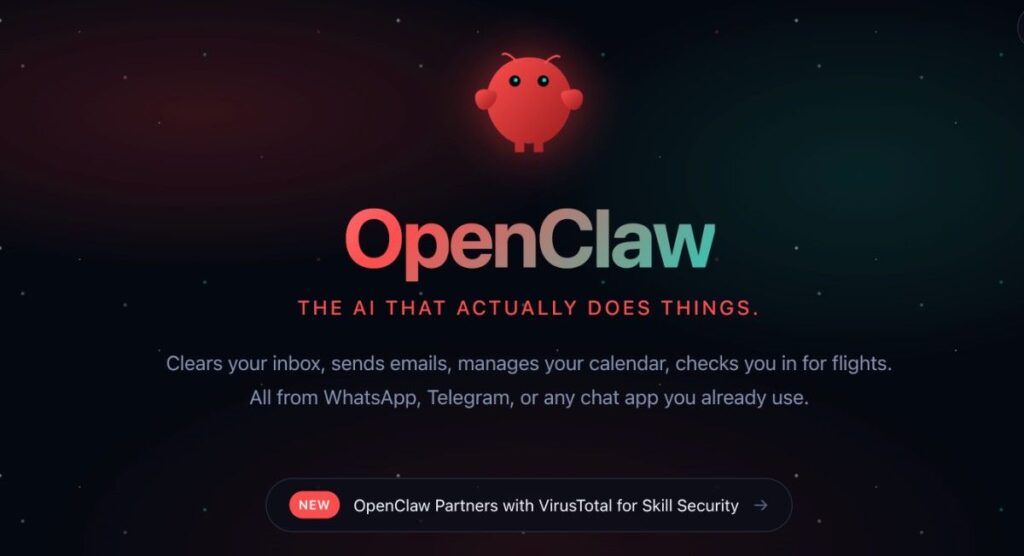
OpenClaw is a self-hosted AI agent platform built around channels, skills, and tools. The docs emphasize 50+ messaging channels, 5,700+ built-in skills, persistent memory, and model-agnostic routing across cloud and local models. It is designed more like a broad operating layer for agents than a single assistant with one personality.
That makes OpenClaw the stronger fit when you care about ecosystem breadth. If you want to plug an agent into a lot of places quickly, and you want a large set of prebuilt skills to start from, OpenClaw is the more obvious default.
What is the real difference?
The real difference is simple:
- Hermes leans toward memory, skill creation, and repeated work.
- OpenClaw leans toward channels, integrations, and a bigger skill ecosystem.
So this is not really a question of which one is “better” in the abstract. It is a question of what you need the agent to do most often.
Which one is easier to set up?
Both are self-hosted, so neither is a zero-thought consumer app. But their setup stories are different.
Hermes starts from a CLI install and then adds a gateway if you want messaging access from Telegram or other channels. OpenClaw starts from a quick install flow too, but its docs put more weight on onboarding, channels, skills, and configuration from the start.
If you are a technical user, both are manageable. If you want a broad platform experience immediately, OpenClaw feels more like the safer first stop. If you want a server-first agent that grows with your work, Hermes is the cleaner bet.
Which one is better for security?
Both projects are self-hosted, which is already a meaningful security advantage over cloud-only agents. But they emphasize safety differently.
Hermes emphasizes no tracking, container hardening, and local storage. OpenClaw emphasizes sandboxed skills, permissions, and self-hosted control. In practice, that means both expect the user to be thoughtful about access, credentials, and where the agent is allowed to act.
If your main concern is privacy and keeping data on your own machine, Hermes has the simpler story. If your main concern is controlling what each skill can touch, OpenClaw’s sandbox model is the more visible guardrail.
Which one is better for real work?
For repeated work, Hermes has the more interesting angle. The whole point is that it remembers what it learns and turns solved problems into reusable skills. That matters if you keep asking an agent to do similar work over and over.
For broad operational work, OpenClaw is stronger. It is built to connect across many channels and make a lot of common workflows available through skills. That makes it better if your use case is less about learning and more about coverage.
A simple way to think about it:
- Use Hermes for durable memory and recurring workflows.
- Use OpenClaw for broad integrations and multi-channel reach.
Can you switch later?
Yes, at least in one direction Hermes makes that story easier. The Hermes docs include a migration path from OpenClaw, which suggests the two tools are close enough in use case that users are expected to compare them and move if needed.
That is a useful signal. It means this is not a one-way ecosystem bet. You can start with the platform that fits your current workflow, then move if your needs change.
Which one should you choose?
Choose Hermes Agent if you care most about memory, learning from repeated work, and a server-based agent that gets smarter over time.
Choose OpenClaw Agent if you care most about broad channel support, a bigger skill ecosystem, and a platform that can cover more tasks out of the box.
If you want the simplest answer possible: Hermes is the more interesting agent. OpenClaw is the more complete platform.
Frequently asked questions
For voice-first AI agents specifically, see our best AI voice agent platforms guide.
Is Hermes Agent better than OpenClaw?
Not universally. Hermes is better if you want memory and repeated-work learning. OpenClaw is better if you want more channels and more built-in coverage.
Is OpenClaw easier for teams?
Usually yes, if the team needs broad integrations and a larger skills layer right away. It feels more like a platform than a single-purpose agent.
Can Hermes Agent run on your own server?
Yes. That is one of its main selling points.
Can OpenClaw use local models?
Yes. The docs say OpenClaw is model-agnostic and supports local models through Ollama as well as major cloud providers.
Should I use both?
Only if you have a clear reason. For most people, one agent platform is enough. Start with the one that matches your main workflow and switch later if needed.
Bottom line: Hermes Agent is the better pick when you want an agent that learns your work. OpenClaw is the better pick when you want a broad, self-hosted platform with more channels and skills.
Add us as a preferred source on Google, and our reviews and picks show up in your Top Stories and AI Overviews.